

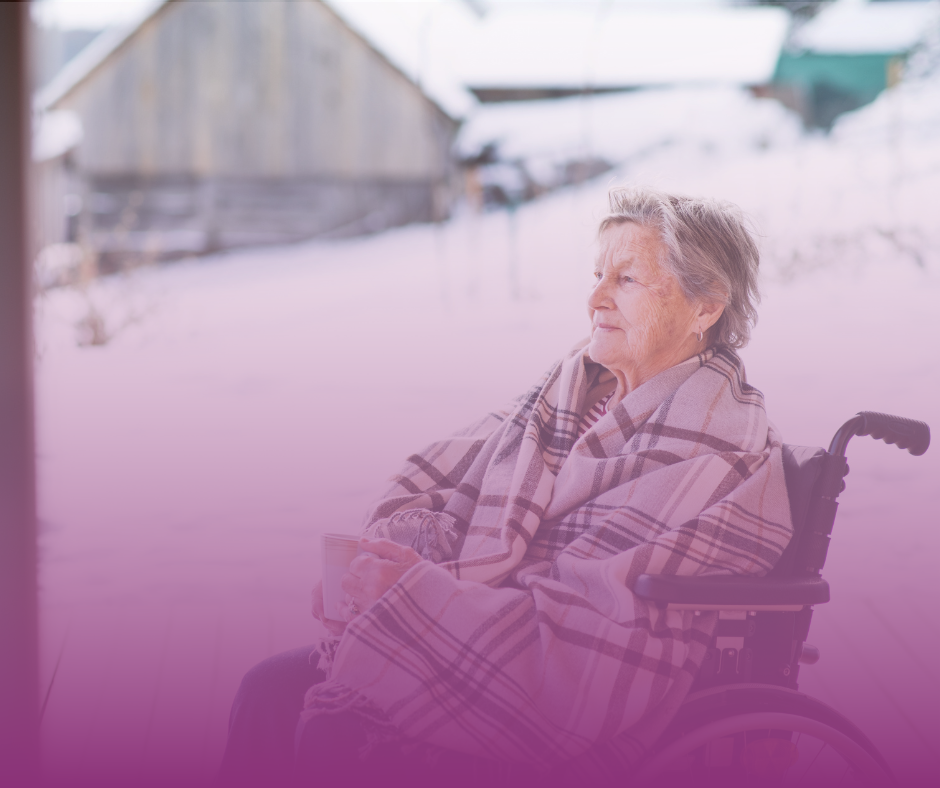
The holiday season often brings warmth, celebration, and a sense of togetherness. But for many older adults—especially those living with chronic health conditions, mobility challenges, or cognitive changes—the winter months can also be a time of increased risk and emotional vulnerability. Shorter days, colder weather, and changes in routine can affect both physical health and emotional well-being.
Senior care providers, families, and caregivers play a vital role in keeping older adults safe, supported, and connected during this time of year.
Physical Health: Winter Safety Matters
Winter weather creates a unique set of risks for seniors. Cold temperatures can worsen heart and lung conditions, while snow and ice make falls more likely. Even indoors, dry air and circulating illnesses such as RSV, flu, and COVID-19 can pose challenges.
Key winter health considerations include:
- Fall prevention: Wet floors, bulky clothing, and icy walkways increase the risk of injury. Regular mobility checks and safety reminders go a long way.
- Hydration: Seniors often drink less during cold weather. Staff and families can encourage warm drinks, soups, and regular hydration breaks.
- Illness prevention: Staying up to date with vaccinations, practicing good hand hygiene, and monitoring symptoms helps prevent outbreaks in senior communities.
- Warmth & comfort: Ensuring proper indoor temperatures and warm clothing helps maintain circulation and comfort for those with arthritis or poor circulation.
Emotional Well-Being: Combating Loneliness and Holiday Blues
While the holidays are joyful for many, they can also bring feelings of loneliness, loss, or stress—especially for seniors experiencing memory decline or living far from family.
Ways to support emotional health:
- Holiday programming: Music therapy, crafts, decorating, and small-group activities bring joy and connection.
- Person-centered traditions: Asking residents what traditions they love and incorporating those touches helps the season feel more meaningful.
- Family engagement: Video calls, photo boards, letters, and visits (when possible) remind seniors they are remembered and valued.
- Grief support: Acknowledging the mixed emotions of the season and offering gentle conversations or counseling helps residents feel seen and supported.
Supporting Seniors with Dementia During the Holidays
Changes in routine, increased noise, or larger gatherings can be overwhelming for individuals with dementia. Predictable schedules, calm spaces, and simplified holiday activities reduce anxiety and confusion.
- Keep decorations familiar and avoid clutter
- Use soft lighting and calming holiday music
- Offer shorter, quieter activities
- Use memory-friendly cues, such as labeled décor or simple reminders
Senior care is strongest when families and caregivers work together. Through open communication, shared understanding, and planning, winter risks can be minimized and the holidays can become a meaningful time for everyone involved.
- Review winter care plans together
- Share any changes in mobility or behavior
- Plan visits, calls, or holiday events that suit the resident’s comfort level
- Stay informed on facility guidelines for safety and infection prevention
Despite the unpredictability of winter, the holiday months offer countless opportunities to celebrate, reflect, and strengthen relationships. With thoughtful planning, safety precautions, and warm-hearted engagement, seniors can enjoy a season filled with joy, dignity, and belonging.
Caring for older adults during the holidays is about more than keeping them safe—it’s about helping them feel connected, cherished, and part of something meaningful. And that spirit of compassion is truly what makes this season special.